
Have you ever caught yourself thinking, “I don’t really have a story”? You’re not alone. I hear this all the time—from clients, friends, even strangers at coffee shops. Somehow, so many of us have convinced ourselves that unless our lives have been packed with drama, upheaval, or headline-making events, we don’t have anything worth sharing. But here’s the truth: if you’ve lived, you have a story. And it matters.
The Myth of the “Worthy” Story
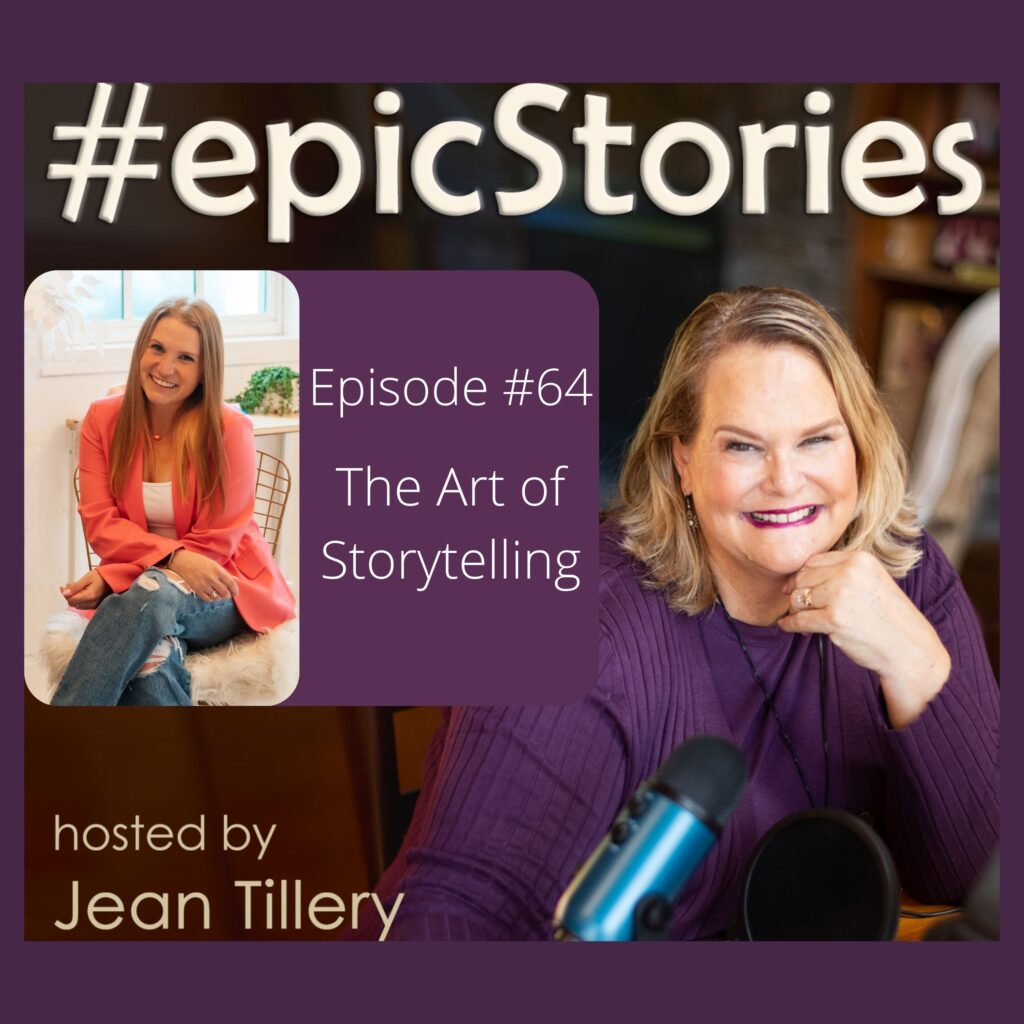
We’re all inundated by a whirlwind of sensational headlines and highlight reels on social media. It’s easy to get stuck in the belief that stories only “count” if they’re big, dramatic, or traumatic. But stories aren’t currency for attention—they’re the building blocks of who we are and how we connect. As I shared with Jean Tillery on the Epic Stories podcast, so much of what actually matters in life happens in the small, everyday moments: the conversations with family, the little victories, the inside jokes, and the lessons we stumble our way into learning.
Stories Happen Every Day (We Just Don’t Notice)
Think back to your last conversation with a friend. Did you answer a question with an anecdote or share something that happened to you? That’s storytelling.
“We have a conversation, and we learn about each other because we’re sharing experiences.”
A story doesn’t have to be a novel—or even a paragraph. Sometimes, three words can say it all (“She said yes.”).
We connect through sharing what it means to be human. That could happen face-to-face at a coffee shop, on a podcast, or even across a dinner table.
You Don’t Have to Be the Hero
One thing that stands in our way is vulnerability. We worry that if we tell the truth, we’ll look foolish or self-centered, or maybe we’re not all that interesting. But I’ll let you in on a secret: the most beloved storytellers aren’t the ones who brag—their stories are for the listener, not themselves.
If you stop thinking, “How will this make me look?” and start thinking, “How might this help someone else?,” you’ll find storytelling not only gets easier, it gets more impactful.
The Magic of Ordinary Stories
Whether it’s a memory attached to a childhood toy, the reason you keep a photo in your wallet, or a lesson you’ve learned the hard way, those stories are powerful. As Jean and I discussed, sharing these stories can help your family understand who you are, foster compassion at work, and bring people together. The details—how you felt, what you learned—make the story memorable and real.
A Simple Challenge
Ready to start? You don’t need to write a book. Try this: think of a lesson you’ve learned—big or small. Ask yourself: what moment taught me that lesson? Write down the details. Jot a few sentences about how it felt, what you saw, and what you realized. Don’t worry about structure, grammar, or perfection. Just remember the moment.
“You don’t have to create stories. You just have to remember them.”
Your Story is Already Enough
You don’t have to go to Ireland, get a questionable tattoo, or quit your job on a whim (though if you do, let’s chat). You already have stories worth telling because they’re yours. The magic happens when you’re willing to share them honestly—and trust that someone else needs to hear exactly what you’ve lived through.
So, the next time you’re tempted to minimize your story, remember: it’s not about being impressive. It’s about being real. And someone out there needs to hear your ordinary, extraordinary story.
Ready to share? Drop me a message, or tag me on socials with your favorite unexpected lesson or memory. I can’t wait to hear (and celebrate) your story.